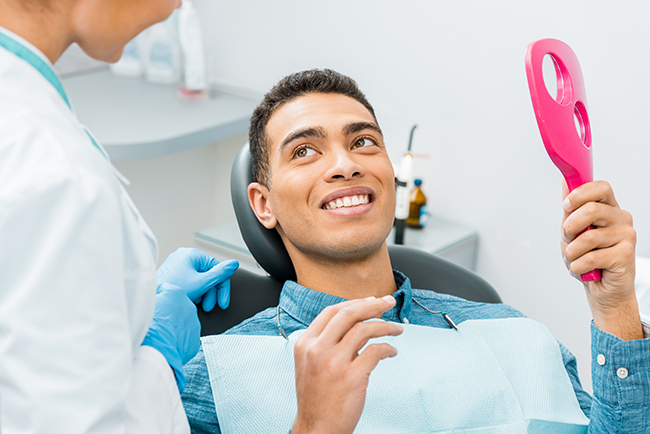
Oral Exams

At the office of Richard Hardt's Live Oak Dental, we take a proactive stance on oral health because early attention prevents most problems from becoming serious. Regular oral exams give us a reliable snapshot of your mouth and let us tailor preventive care for each member of your family. Our team combines careful visual assessment with modern diagnostic tools—clinical exams, professional cleanings, oral cancer screenings, and patient education—to help you keep a comfortable, functional, and confident smile.

What We Do During a Comprehensive Oral Exam

A comprehensive oral exam begins with a focused conversation: we review your medical and dental history, note any concerns you bring up, and listen for symptoms that might otherwise go unmentioned. That background helps us interpret what we see during the exam and decide which diagnostic images or tests will be most useful for you.

Next comes the hands-on assessment. We examine each tooth for signs of wear, decay, or fracture and evaluate the condition of your gums and supporting bone. We also assess soft tissues inside the mouth and the surrounding areas of the face, head, and neck to spot any unusual changes that might warrant further investigation.

Function is part of the picture too. We check your bite (occlusion) for uneven wear or shifting, screen for signs of clenching and grinding, and evaluate TMJ (temporomandibular joint) movement for pain, clicking, or limited range of motion. Together, these observations give us a clear starting point for counseling, preventive care, or treatment planning.

When indicated, we supplement the clinical exam with diagnostic imaging and tests to reveal concerns that are invisible to the naked eye. After the exam, we explain our findings in plain language and outline the next steps—whether that means a simple homecare change, a focused preventive appointment, or coordinating specialty care.

How Oral Health Tells a Story About Whole-Body Wellness

Your mouth is not isolated from the rest of your body; it often reflects broader health trends. During an oral exam we look for patterns—chronic inflammation, unusual lesions, unexplained dry mouth, or recurrent infections—that can be clues to conditions beyond the mouth. Identifying these signs early helps prompt conversations with your medical providers when appropriate.

Research increasingly links dental problems with systemic conditions. Persistent gum inflammation, for example, has been associated with cardiovascular issues, while changes in the mouth can correlate with diabetes control. Recognizing these connections allows us to treat oral conditions and support your overall health by providing timely referrals or coordinated care.

Oral exams also help us detect potentially serious conditions such as oral cancer at an early, more treatable stage. A careful soft-tissue evaluation of the lips, tongue, cheeks, and throat is part of every comprehensive check, and any suspicious areas are monitored closely or biopsied when necessary.

Because many systemic diseases show early signs in the mouth, your dental visits are a valuable checkpoint in maintaining long-term health. We aim to be vigilant and informative, helping you understand how oral findings relate to your general wellness and what steps to take next.

Keeping Smiles Healthy: Cleanings, Home Care, and Preventive Habits

Professional dental cleanings are a cornerstone of preventive care. Even with excellent home hygiene, plaque and tartar can accumulate in hard-to-reach areas. Our hygienists remove this buildup and polish the teeth, reducing the bacteria that cause cavities and gum disease and leaving your mouth feeling refreshed.

Routine checkups are an opportunity to reinforce good habits. We offer practical, individualized guidance on brushing, flossing, and interdental cleaning techniques tailored to your oral anatomy and any appliances you may wear. Small adjustments at home often yield significant long-term benefits.

Preventive appointments are also when we update fluoride strategies, place sealants for patients who benefit from them, and monitor developing teeth in children. For adults we watch for early signs of gum disease and provide scaling or targeted care before more invasive treatment becomes necessary.

Establishing a regular schedule—typically twice a year for most patients—helps us intercept problems while they are easy to manage. Consistent monitoring and professional maintenance are the best investments in keeping your smile healthy for decades.

Even with careful hygiene, some patients need a personalized plan based on risk factors such as dry mouth, medications, a history of decay, or systemic disease. We customize follow-up and preventive services so each patient receives the right level of care.

Why Digital X-Rays and Imaging Matter in Diagnosis

Visual inspection is essential, but many dental issues begin beneath the surface. Digital radiography gives us a safe, fast, and detailed view of tooth roots, supporting bone, and the surrounding structures. These images make it possible to detect hidden decay, assess bone levels around teeth, and plan treatment with confidence.

Compared with traditional film, digital x-rays reduce radiation exposure and produce images instantly, so we can review findings with you during the visit. Digital files are easy to store and share with specialists when collaborative care is needed, improving coordination and speeding up decision-making.

Beyond standard 2D images, advanced three-dimensional imaging such as cone-beam computed tomography (CBCT) provides a volumetric view of the jaws and nearby anatomy. CBCT is especially useful for complex diagnosis, implant planning, and evaluating anatomical relationships that affect surgical or restorative procedures.

We use imaging judiciously—only when it adds diagnostic value—and we explain the rationale before taking any films. Our goal is to combine clinical assessment with the right imaging tools so your diagnosis and treatment plan are based on complete, accurate information.

Understanding the Common Types of Dental Imaging

Different imaging techniques serve different purposes. Small periapical films focus on a single tooth from crown to root and are valuable when evaluating root health, persistent pain, or trauma. Bitewing images concentrate on the crowns of molars and premolars to reveal early decay between teeth.

A full-mouth series combines periapical and bitewing images to document the condition of all teeth and supporting bone when a comprehensive baseline is needed. Panoramic films provide a wide, two-dimensional view of the jaws, useful for surveying tooth development, impacted teeth, and major jaw abnormalities.

Cephalometric images show the facial profile and are commonly used in orthodontic assessment to evaluate skeletal relationships and growth patterns. For three-dimensional needs, CBCT scans reconstruct the jaws and neighboring structures, offering precise measurements that aid surgical planning and implant placement.

When we recommend a particular type of image, we’ll explain what we expect to learn from it and how it will influence your care. These choices are guided by clinical findings and your individual needs so that each image contributes directly to better outcomes.

Regular oral exams are the foundation of lasting dental health. At Richard Hardt's Live Oak Dental, our approach combines careful clinical evaluation, patient-centered education, and the selective use of modern diagnostics to keep your smile healthy and to catch problems early. If you have questions or would like to learn more about what an oral exam involves, please contact us for more information.

Frequently Asked Questions

What is included in a comprehensive oral exam?

+

At the office of Richard Hardt's Live Oak Dental a comprehensive oral exam begins with a review of your medical and dental history and a focused conversation about any concerns or symptoms you are experiencing. The clinical examination inspects each tooth for decay, wear, and fractures, evaluates gum health and supporting bone, and checks soft tissues in the lips, cheeks, tongue, and throat. We also assess function by examining your bite, jaw movement, and signs of clenching or grinding to build a complete picture of oral health.

When indicated, the exam is supplemented by diagnostic imaging and tests that reveal conditions not visible on the surface. Findings are explained in plain language and used to create a tailored plan that may include preventive steps, homecare changes, or referrals for specialty care. The goal is to identify issues early and give you clear options so you can make informed decisions about your care.

How often should I schedule an oral exam?

+

For most patients, routine oral exams every six months provide reliable monitoring and early detection of problems before they become complex. That twice-yearly schedule supports professional cleanings, updates to preventive strategies, and timely checks for new issues such as cavities, gum disease, or changes in soft tissues. These appointments are convenient opportunities to reinforce effective homecare and address minor concerns while they are still easy to treat.

Some people need a customized interval based on individual risk factors like a history of gum disease, frequent cavities, dry mouth, certain medications, or systemic health conditions. In those cases we recommend more frequent visits or targeted maintenance to reduce risk and preserve oral health. Your dentist will review your situation and suggest a follow-up cadence that balances vigilance with convenience.

What should I expect during an oral cancer screening?

+

An oral cancer screening is a routine part of every comprehensive exam and involves a careful visual and tactile inspection of the lips, tongue, floor and roof of the mouth, cheeks, and throat area. The clinician checks for persistent sores, lumps, white or red patches, or any tissue changes that look unfamiliar or do not heal as expected. Lymph nodes in the neck and under the jaw are also palpated to detect unusual firmness or enlargement that could warrant further investigation.

If a suspicious area is identified it may be monitored closely, imaged, or referred for biopsy to establish a diagnosis. Early detection significantly improves treatment outcomes, so we emphasize prompt evaluation when signs are present. We will communicate findings clearly and coordinate next steps with you and any necessary specialists.

Why are dental x-rays and advanced imaging used during oral exams?

+

Dental x-rays and three-dimensional imaging reveal structures beneath the surface that cannot be seen during a visual exam, such as tooth roots, bone levels, and developing decay between teeth. Digital radiography provides high-quality images with lower radiation exposure than traditional film and delivers results instantly so we can discuss them with you during the visit. For complex cases—implant planning, impacted teeth, or surgical assessment—CBCT scans offer volumetric detail that improves diagnostic accuracy and treatment planning.

We recommend imaging only when it will change diagnosis or management, and we explain the purpose and benefits before taking any films. Digital files are easily shared with specialists when collaborative care is needed, which streamlines communication and supports coordinated treatment. This selective approach ensures that imaging adds value to your care while minimizing unnecessary exposure.

How do oral exams help identify early signs of systemic health problems?

+

The mouth often reflects broader health trends, so an oral exam can reveal clues to systemic conditions such as diabetes, vitamin deficiencies, or immune disorders. Patterns like chronic gum inflammation, recurrent infections, persistent dry mouth, or unusual lesions may prompt conversations about overall health and recommendations to see a medical provider. By recognizing these signals early we can support timely medical evaluation and improve outcomes through coordinated care.

Research increasingly links oral conditions with systemic risks, and that perspective guides our exams and patient education. When appropriate we document findings, advise on potential implications for general health, and communicate with your physician if coordinated care will benefit you. Dental visits are therefore a valuable checkpoint in maintaining long-term wellness, not just isolated oral care.

What should I bring or tell the dentist before my oral exam?

+

Bring an updated list of medications, recent medical diagnoses, and any changes in your health since your last visit so we can understand how systemic factors may affect your oral care. Mention allergies, pregnancy or nursing status, tobacco or vaping use, and any oral symptoms such as pain, sensitivity, dry mouth, or bleeding gums that you have noticed. If you have dental appliances, partials, or recent imaging from another office, let us know so we can incorporate that information into the exam.

Clear communication about your health and goals helps us tailor the exam and preventive plan to your needs. If you have anxieties or special accommodation needs, tell the team in advance so we can make your visit as comfortable and efficient as possible. Preparing these details before the appointment saves time and improves the quality of your evaluation.

How is gum disease assessed during an oral exam?

+

Gum disease is evaluated through a combination of visual inspection, periodontal probing to measure pocket depths around each tooth, and assessment of bleeding on probing and tissue appearance. X-rays are used when needed to evaluate bone levels and to determine whether deeper infection or bone loss is present. These measurements and images together indicate whether gum disease is at an early, moderate, or advanced stage and guide treatment planning.

Early-stage disease can often be managed with improved homecare and regular professional cleanings, while more advanced conditions may require scaling and root planing or periodontal referral. We document findings and track changes over time so treatment can be adjusted as needed. The objective is to control inflammation, halt progression, and preserve teeth and supporting structures whenever possible.

How do you evaluate bite problems, clenching, and TMJ issues during an oral exam?

+

Bite and TMJ evaluation begins with observing tooth wear, checking for shifting or mobility, and assessing the way your teeth come together during function. We examine jaw joint movement for pain, clicking, or limited range of motion and palpate muscles for tenderness that may indicate clenching or grinding. These functional findings are combined with a review of symptoms such as headaches, facial pain, or disturbed sleep to form a working diagnosis.

When indicated, we may recommend conservative therapies such as occlusal splints, behavioral strategies, or physical therapy referrals, and we monitor response over time. For persistent or complex cases we coordinate care with specialists to stabilize function and reduce symptoms. The goal is to identify contributing factors early and select conservative, evidence-based interventions first.

What preventive measures are recommended after an oral exam?

+

Preventive recommendations are personalized and typically include targeted homecare instructions for brushing and interdental cleaning, regular professional cleanings, and updates to fluoride or sealant strategies when appropriate. We may advise on lifestyle factors such as tobacco cessation, diet adjustments to reduce acid and sugar exposure, and use of protective appliances for sports or nighttime grinding. These measures work together to reduce the risk of cavities, gum disease, and other common problems.

When a patient has elevated risk factors—dry mouth, certain medications, or a history of frequent decay—we design a more intensive maintenance plan with tailored recall intervals and focused therapies. Education is a core component of prevention, so we take time to explain why each recommendation matters and how it supports long-term oral health. Consistent follow-through on these steps is the most effective way to preserve natural teeth and avoid complex treatment later.

What options are available if I am anxious about dental exams or need sedation?

+

Dental anxiety is common and we prioritize open communication to make exams as comfortable as possible; simple strategies such as clear explanations, breaks during the appointment, and relaxation techniques often help patients feel more at ease. For patients who need additional support we offer nitrous oxide and oral sedation options that are safe and effective for reducing anxiety during routine procedures. The team assesses medical history and coordinates sedation choices to match the level of care needed while maintaining safety.

If you prefer, Richard Hardt's Live Oak Dental will discuss sedation and comfort preferences before your visit so we can plan appropriately and answer any questions you have. Special accommodations are available for children and patients with special health needs, and staff are trained to provide gentle, patient-centered care. Our aim is to ensure you receive the examination you need in a calm and supportive environment.

Ready to Care for Your Smile?

Contact Us
SMS Consent
Submit

Thank You!

We appreciate you taking the time to visit our site. We'll review your message and be in touch with you soon.

Continue