Now Accepting New Patients
Existing Patients
(559) 784-6523
New Patients
(559) 750-0130

At the office of Richard Hardt's Live Oak Dental, we place a premium on healthy beginnings: protecting young teeth, guiding safe habits, and helping families build routines that support a lifetime of confident smiles. This page explains how pediatric dental care works at our practice, what to expect at different ages, and practical steps parents can take to keep children’s mouths healthy as they grow.

Prevention is the foundation of pediatric dentistry. Early visits give us a baseline for your child’s dental development, allow us to find small problems before they grow, and give parents tools to support daily care at home. We focus on simple, achievable steps families can take—age-appropriate brushing, limiting sugary drinks, and scheduling regular checkups.
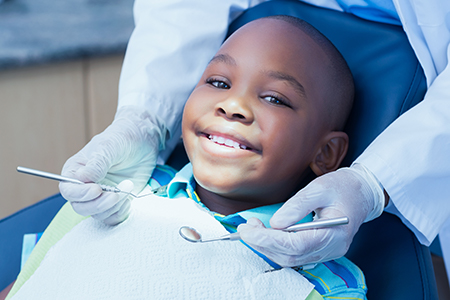
Children respond best to calm, consistent routines. In our treatment rooms we combine clear explanations with gentle techniques so visits are predictable and reassuring. That approach helps children learn that dental care is a normal part of growing up, and it reduces fear so they’re more likely to keep up healthy habits as they become more independent.
Our goal is also to watch how baby and permanent teeth come in and how jaws develop. Early observation makes it possible to recommend minimally invasive treatments—like fluoride, sealants, or simple habit guidance—when they will do the most good. Addressing issues early often avoids more extensive care later on.

Routine visits are more than a tooth check—they’re a snapshot of oral development. We review medical history, examine the teeth and gums, evaluate jaw growth and bite, and assess habits like thumb-sucking or pacifier use. For older children we’ll discuss brushing and flossing technique so they can take more responsibility for their care.
Cleanings remove plaque and help prevent cavities; when needed, we use digital radiographs to see areas between teeth or assess developing permanent teeth. Digital imaging is fast and uses very low radiation, and it helps us make accurate recommendations while minimizing discomfort and time in the chair.
Families also receive practical guidance at each visit: how to make brushing efficient, when to switch from paste-free to fluoride toothpaste, and how to handle common milestones like losing baby teeth. We encourage parents to ask questions so care at home supports what we do in the office.
Tooth decay is common, but it is largely preventable. Cavities form when sugars from food and drink feed bacteria that produce acid; that acid breaks down enamel over time. Regular brushing, limiting sugary snacks and beverages, and timely professional care make a big difference in reducing risk.
Preventive measures we commonly recommend include topical fluoride and dental sealants. Fluoride strengthens enamel and can reverse very early decay, while sealants create a protective barrier over the grooves of permanent molars where cavities often start. Both treatments are quick, painless, and highly effective when used appropriately.
Start oral care early—wipe gums after feeding and introduce an age-appropriate toothbrush when the first teeth appear.
Avoid letting infants fall asleep with milk or juice; frequent exposure to sugars increases cavity risk.
Help children brush twice daily and floss as soon as teeth touch; make routines short, positive, and consistent.
Encourage water between meals and limit sticky, sugary snacks that cling to teeth.
Use a mouthguard for sports and consult us about appropriate protective gear for your child’s activities.

Baby teeth play important roles: they allow proper chewing and speech, support facial development, and hold space for the permanent teeth. Because of that, caring for primary teeth matters even though they are temporary. We advise parents on gentle cleaning techniques, teething comfort measures, and timing for the first dental visit—usually around the first birthday or when a first tooth appears.
Teething can be uncomfortable, but there are safe ways to ease symptoms: cool teething rings, a chilled washcloth, or gentle gum massage. Over-the-counter remedies should be used with guidance; if symptoms are severe or feeding is affected, contact our team so we can rule out infection or other concerns.
If a baby tooth is lost too early due to decay or injury, we will discuss options to preserve space so the permanent tooth can come in properly. Early intervention helps prevent crowding and can reduce the need for more complex orthodontic care in the future.
As children grow, their teeth and jaws change rapidly. We monitor facial growth, tooth alignment, and bite patterns at regular intervals so problems can be identified early. Some concerns are best treated with simple habit modification; others may benefit from timely orthodontic assessment to guide jaw development while children are still growing.
Orthodontic issues don’t always wait until adolescence. The American Association of Orthodontists recommends that children have an orthodontic screening by age seven; many early signs are detectable sooner. When appropriate, we provide guidance and referrals so families have clear information about timing and options.
Teen years bring new challenges—nutrition choices, sports participation, and orthodontic appliances add layers to oral care. We work with families to adapt daily routines, recommend protective gear for athletes, and coordinate with orthodontists so oral health remains a priority throughout treatment.
Not every developing misalignment requires immediate treatment, but early evaluation helps determine the best path. When growth patterns or tooth positions suggest benefit from specialty care, we explain the reasons, outline the timing, and help families weigh options so decisions are informed rather than rushed.
Healthy eating supports both general development and oral health. Foods rich in calcium, protein, and vitamins help teeth and bone grow strong, while limiting sticky and sugary foods reduces cavity risk. Water—especially fluoridated water where available—is the best choice between meals.
Accidents happen: a fall at the playground, a sports injury, or a sudden toothache can quickly turn into an urgent visit. Knowing how to respond helps protect a child’s smile. For a knocked-out permanent tooth, quick action matters; for a chipped baby tooth, pain control and infection prevention are priorities. Call us so we can advise you on next steps and arrange timely care.
We treat a range of common pediatric emergencies, from soft-tissue injuries to severe tooth pain and infections. Our aim is to relieve discomfort, stabilize teeth and tissues, and prevent complications—always using techniques appropriate for the child’s age and comfort level.
Keeping a small first-aid kit with gauze and a cold pack, and knowing how to preserve a dislodged tooth (kept moist in milk or saliva), can make a real difference while you get professional help. When in doubt, contact our team for guidance—we’ll help you decide whether immediate treatment is needed.
Strong pediatric dental care depends on teamwork: our clinical guidance combined with consistent care at home gives children the best chance at healthy, confident smiles. We prioritize clear explanations so parents understand why a recommendation is made and how to follow through between visits.
Over time, small, steady habits create lasting results. Regular exams, timely preventive treatments, and positive routines make dental care a normal part of life rather than a source of anxiety. We aim to give every child the knowledge and support they need to maintain oral health through childhood and into adulthood.
If you have questions about pediatric dental care, preventive treatments, or how to prepare your child for a visit, please contact us for more information. Our team is happy to help you navigate care for every stage of childhood.
Pediatric dentistry focuses on the oral health needs of infants, children, and adolescents, including growth, development, preventive care, and behavior guidance. A first dental visit establishes a baseline for development, lets the dentist spot early concerns, and gives parents practical guidance on daily care. The American Academy of Pediatric Dentistry and most pediatric experts recommend a visit by the first birthday or within six months of the first tooth emerging to start prevention early.
At the office of Richard Hardt's Live Oak Dental we use early visits to build familiarity and teach families age-appropriate routines that reduce anxiety and prevent decay. These initial appointments are typically brief and friendly, designed to be reassuring for both child and parent while collecting important health and developmental information. Regular checkups after the first visit depend on individual risk but often occur every six months to monitor growth and intervene promptly when needed.
A routine pediatric visit includes a review of medical history, an examination of teeth and gums, and an assessment of jaw growth and bite development. Cleanings remove plaque and help prevent cavities, while low-dose digital radiographs are used selectively to evaluate areas not visible to the eye and to track developing permanent teeth. The team will also observe habits such as thumb-sucking or pacifier use and discuss behavioral strategies to support healthy oral habits at home.
Parents receive practical, age-specific guidance at every visit, including brushing and flossing technique, when to introduce fluoride toothpaste, and what to expect when baby teeth loosen. The appointment is an opportunity to ask questions about diet, teething, injury prevention, and orthodontic readiness so that home care and office care work together. Our approach emphasizes gentle explanation and predictable routines to help children feel comfortable and cooperative during future visits.
Fluoride strengthens enamel and can help reverse very early mineral loss before a cavity forms, making it a cornerstone of pediatric prevention. Fluoride applications in the office are quick and painless, and they are recommended based on a child’s individual risk for decay, drinking water fluoride levels, and home care. Dental sealants are thin protective coatings placed on the grooves of permanent molars to block food and bacteria from settling in hard-to-clean fissures where cavities commonly start.
Sealants are applied when teeth are fully erupted and are most effective on the first permanent molars and premolars; they can last for several years and are easy to check during routine visits. Both fluoride and sealants are minimally invasive preventive measures that reduce the likelihood of more extensive treatment later. Your dentist will discuss the timing and appropriateness of these treatments for your child based on development and risk factors.
Consistent daily habits are the most important factor in preventing tooth decay and promoting oral health. Parents should help children brush twice a day with an age-appropriate toothbrush, begin flossing as soon as adjacent teeth touch, limit sugary snacks and beverages, and encourage water between meals to reduce acid exposure. Establishing short, positive routines and modeling good habits makes oral care part of daily life rather than a chore.
For infants, wipe gums after feedings and avoid putting babies to sleep with milk or juice, which can increase cavity risk through prolonged sugar exposure. As children grow, gradually give them more responsibility for brushing while supervising until their manual dexterity is sufficient, usually around ages 7 to 9. Regular dental visits reinforce home routines and give parents tailored advice to address specific behaviors, diet concerns, or developmental changes.
Baby teeth are essential for chewing, speech, facial growth, and holding space for permanent teeth, so caring for them matters even though they are temporary. To ease teething discomfort, offer cool teething rings, a chilled washcloth, or gentle gum massage; avoid topical numbing agents without professional guidance and consult the dental team if symptoms are severe or feeding is affected. Begin cleaning erupting teeth with a soft cloth or infant toothbrush and schedule the first dental visit by the first birthday or when the first tooth appears.
If a baby tooth is lost prematurely due to decay or injury, the dentist will discuss space preservation options to reduce the risk of shifting and future orthodontic issues. Early detection and treatment of decay in primary teeth prevent pain, infection, and potential impacts on permanent teeth. Regular checkups allow the dental team to track eruption patterns and recommend timely interventions that support long-term oral development.
Understanding how to respond quickly to dental injuries helps protect a child’s smile and can be crucial for saving permanent teeth. For a knocked-out permanent tooth, time is critical: find the tooth, handle it by the crown, rinse gently without scrubbing, and keep it moist in milk or saliva while seeking emergency dental care immediately. For baby teeth that are chipped or displaced, the priorities are pain control, infection prevention, and protecting the developing permanent tooth beneath.
Call the dental office right away to receive specific instructions and arrange timely care; the team will advise whether immediate treatment, observation, or a specialty referral is needed. Keep a small first-aid kit with gauze and a cold pack, and learn basic steps for common injuries such as soft-tissue lacerations, fractures, and severe tooth pain. Prompt professional assessment reduces complications and helps ensure the best possible outcome for healing and function.
Early evaluation for orthodontic concerns is recommended to identify problems that might benefit from growth-guiding treatment while the jaw is still developing. The American Association of Orthodontists advises an orthodontic screening by age seven because many bite issues and abnormal eruption patterns are detectable then. The pediatric dental team monitors tooth alignment, jaw growth, and bite development at routine checkups and can recommend the right timing for referral if specialty care may improve long-term results.
Not every child needs early orthodontic treatment; many issues can be observed until a more appropriate stage of development. When early intervention is indicated, options may include simple habit modification, space maintenance, or appliances that guide jaw growth and reduce the complexity of future treatment. Clear communication between your dentist and an orthodontist helps families make informed decisions about timing and goals for alignment and function.
Thumb-sucking and pacifier use are common in infants and young children and often resolve naturally, but prolonged habits can affect tooth alignment and jaw development if they continue beyond early childhood. The dental team evaluates the intensity and duration of the habit during routine visits and advises families on age-appropriate strategies to wean children when intervention is warranted. Approaches include positive reinforcement, gradual limits, and habit-awareness techniques that avoid shaming and instead encourage cooperation.
If a habit persists and begins to change tooth positions or bite patterns, the dentist may recommend timely orthodontic consultation or simple intraoral appliances to discourage the behavior. Early, gentle guidance often prevents the need for more involved treatment later and supports normal dental development. Parents are encouraged to discuss concerns openly with the dental team so a plan can be tailored to the child’s age, temperament, and needs.
Nutrition has a direct impact on oral health because frequent exposure to sugars and sticky carbohydrates feeds decay-causing bacteria and increases the risk of cavities. Encourage balanced meals with foods rich in calcium, protein, and vitamins to support strong teeth and bone development, and choose water—preferably fluoridated when available—between meals to help rinse away food particles. Limit sugary snacks and sticky treats, and aim for regular meal and snack times to reduce prolonged acid attacks on enamel.
Healthy beverage choices and careful timing of snacks make a measurable difference in cavity prevention, and the dental team can offer practical, age-specific guidance for meal planning and snacking. If your child has special dietary needs or a medical condition that affects oral health, share that information with the dentist so recommendations can be personalized. Consistent habits at home combined with preventive dental care provide the best protection for growing smiles.
Preparing a child for a dental visit begins with calm, honest language and realistic expectations: explain that the dentist will look at teeth, count them, and clean them, and emphasize that the team helps keep teeth healthy. Avoid using negative or scary words, and read children's books or watch short videos that present dental visits positively to build familiarity. Role-playing with a toothbrush at home or practicing lying back in a chair can make the clinical environment feel more predictable and less intimidating.
The dental team uses gentle, age-appropriate techniques to manage behavior and comfort during appointments, and parents are encouraged to communicate any concerns about anxiety or special needs before the visit. For children with high fear or sensory sensitivities, the office will outline strategies to make appointments successful, including scheduling considerations and brief acclimation visits if helpful. Working together, families and the dental team can turn early experiences into positive routines that set the stage for a lifetime of healthy dental care.