CEREC

Contemporary, tooth‑conserving ceramic restorations crafted and placed in a single visit using advanced digital tools.

Why same‑day restorations matter to patients

Modern dentistry prioritizes outcomes that fit real lives: reliable function, natural appearance, and minimal disruption. CEREC same‑day restorations accomplish that by compressing what used to require multiple visits into a single, carefully controlled appointment. Patients leave with a finished ceramic restoration instead of a temporary, which reduces the risk of sensitivity, frustration, and the need for interim adjustments.

Because the process is digital from start to finish, it removes several common pain points. There’s no need for putty impressions that can be uncomfortable, and the digital workflow improves communication between the clinician and the restoration as it’s being designed. The result is predictable, efficient care that still emphasizes individualized fit and aesthetics.

Beyond convenience, same‑day restorations support conservative dentistry. When a restoration can be planned and delivered in one visit, clinicians can make decisions that preserve more healthy tooth structure and limit the time a prepared tooth is exposed. For many patients, that combination of precision and convenience is reason enough to explore CEREC options.
From digital scan to final restoration in a single appointment

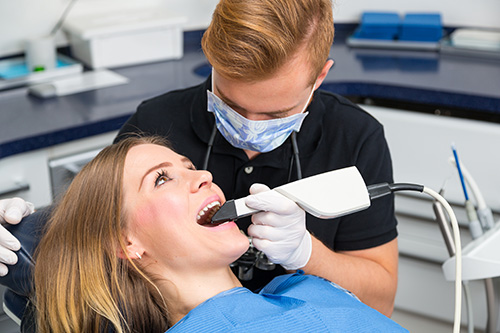
The CEREC process begins with a high‑resolution intraoral scan that captures the prepared tooth and surrounding bite relationships. This scan replaces traditional impressions and provides an immediate, three‑dimensional model the dentist uses to evaluate margins, contacts, and occlusion. Patients often find the scanning experience faster and more comfortable than conventional impression techniques.

Once the digital model is acquired, the restoration is designed on‑screen using CAD software. The design phase lets the clinician fine‑tune contours, contacts, and the restoration’s fit against opposing teeth. Shade selection and characterization are considered during this stage so the final ceramic will blend naturally with adjacent teeth.

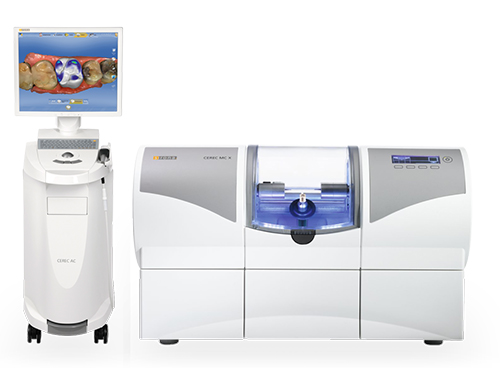
When the design is approved, it is sent to an on‑site milling unit that fabricates the restoration from a high‑strength ceramic block. While the patient waits, the ceramic is milled and finished using a combination of staining, glazing, and polishing steps so the restoration is ready for immediate placement without the need for a temporary crown.

Digital design and precision milling: how technology improves fit

CEREC’s digital workflow relies on accurate scans and sophisticated software to produce restorations that fit more precisely than many traditional lab‑processed restorations. The digital file captures minute details of the preparation and adjacent teeth, allowing the design software to calculate ideal margins and contacts. This precision reduces the need for chairside adjustment and helps protect neighboring teeth and gum tissue.

The milling process translates that digital design into a physical restoration using ceramic blocks engineered for dental use. Milling machines follow the exact contours specified in the design file, producing a dense, homogenous ceramic piece. Because everything happens under the clinician’s supervision, clinicians can immediately evaluate fit and occlusion and make minute refinements before final bonding.

Another advantage of in‑office milling is control. Clinical teams can select the ceramic material and finish that best suits each patient’s functional and aesthetic needs. When shade, translucency, and surface texture are managed at chairside, restorations can achieve a natural appearance while maintaining the strength needed for long‑term function.

Durable, tooth‑colored ceramics that respect natural anatomy

CEREC restorations are milled from advanced ceramic materials that combine strength with lifelike optics. These ceramics resist staining and can be finished to mimic the subtle light transmission of natural enamel. For front teeth, translucency and shade layering create a seamless look; for posterior restorations, ceramic strength provides dependable chewing surfaces.

Because CEREC allows for conservative preparations, clinicians can often preserve more of the natural tooth than with traditional full‑coverage techniques. Inlays and onlays are excellent examples of restorations that restore function while minimizing removal of healthy tooth structure. When properly bonded and cared for, ceramic restorations can provide many years of service.

Maintenance is straightforward: regular oral hygiene, routine dental exams, and prompt attention to any unusual bite sensations keep restorations performing well. The biocompatible nature of modern ceramics also reduces concerns about corrosion or allergic reactions seen with some metal‑based restorations.

When CEREC is an appropriate choice — and when alternative approaches may be better

CEREC is well suited to a wide range of restorative needs: single crowns, inlays, onlays, and small to moderate repairs that benefit from a strong, tooth‑colored material. It is especially useful when a patient values reduced visits or when keeping a temporary restoration is undesirable. Many clinicians prefer CEREC for replacing old fillings, repairing fractured cusps, and restoring teeth after root canal therapy.

However, not every case is a perfect fit for same‑day milling. Extremely large restorations, complex full‑arch rehabilitations, or situations requiring specialized laboratory techniques may still be better served through traditional lab fabrication or multi‑visit workflows. A thorough clinical exam and discussion of long‑term restorative goals help determine the best path for each individual.

At our practice, decisions about whether to use CEREC are driven by clinical indications and a desire to preserve tooth structure and function. When CEREC is appropriate, the workflow delivers a precise, aesthetic restoration with fewer appointments and more immediate results for the patient.

Committed to predictable outcomes with a patient‑centered approach

Choosing a restoration involves more than selecting a material or a technology — it’s about aligning treatment with a patient’s lifestyle, expectations, and oral health needs. Clinicians who use CEREC combine technical training with careful case planning: evaluating occlusion, periodontal health, and long‑term function before designing a restoration. That preparation ensures the restoration not only looks right but performs well.

Our team emphasizes clear communication throughout the process so patients understand what to expect during their appointment and in the weeks that follow. When patients are informed partners in care, outcomes are more predictable and satisfaction improves. For many, the convenience of a single‑visit restoration is an added benefit to the clinical advantages.

Richard Hardt's Live Oak Dental integrates CEREC technology into a broader menu of restorative and preventive services. By pairing digital tools with conservative treatment planning, we aim to preserve tooth structure, restore function, and create lasting, natural-looking results.

In summary, CEREC harnesses digital scanning, precise software design, and chairside milling to deliver strong, aesthetic ceramic restorations in a single visit. When chosen for the right indications, CEREC restorations conserve tooth structure, reduce treatment time, and offer predictable fit and finish. Contact us to learn more or to discuss whether same‑day ceramic restorations are a suitable option for your smile.

Frequently Asked Questions

What is CEREC?

+

CEREC combines digital intraoral scanning, computer-aided design and chairside milling to produce ceramic dental restorations in a single appointment. Instead of traditional putty impressions and offsite lab fabrication, CEREC captures a high-resolution 3-D model that the dentist uses to design the restoration on-screen. The design is milled from a solid ceramic block in the office and finished for immediate placement.

Because the workflow is completed in one visit, patients often avoid temporaries and additional appointments while still receiving a precisely fitted, tooth-colored restoration. The system supports conservative tooth preparations that preserve healthy structure and reduce the time a prepared tooth remains exposed. Clinicians supervise each step to deliver restorations that meet both functional and aesthetic goals.

How does the CEREC same-day crown process work?

+

Your visit begins with a thorough exam and a high-resolution intraoral scan that captures the prepared tooth and surrounding bite relationships. The dentist designs the crown, onlay, or inlay using CAD software, adjusting contours, contacts and shade guidance as needed before approving the final design. Once approved, the file is sent to an on-site milling unit that mills the restoration from a ceramic block while the clinical team prepares for finishing.

After milling, the restoration is characterized, glazed or polished and then tried in the mouth for fit and occlusion adjustments. The clinician bonds or cements the restoration during the same appointment and completes final occlusion checks to ensure patient comfort. This streamlined workflow eliminates temporary restorations and reduces the number of visits required to complete care.

What are the benefits of CEREC compared with traditional crowns?

+

CEREC offers the convenience of a single-visit restoration, which eliminates the need for a temporary crown and reduces the risk of sensitivity or interim problems. Digital scanning is generally faster and more comfortable than conventional impressions, and the in-office workflow improves communication between the clinician and the restoration as it is being crafted. Patients commonly appreciate the predictable timing and the ability to leave with a finished restoration the same day.

From a clinical perspective, the digital design and precision milling can improve marginal fit and reduce chairside adjustments. Conservative preparation techniques often preserve more healthy tooth structure compared with some full-coverage approaches. When selected appropriately, CEREC can deliver esthetic, biocompatible restorations with strong functional performance.

What types of restorations can be made with CEREC?

+

CEREC is well suited to single crowns, inlays, onlays and certain veneers, as well as repairs of fractured cusps and replacement of older restorations. The system is commonly used for both anterior and posterior teeth where a tooth-colored, ceramic solution is desirable. Clinicians can also use CEREC for small to moderate restorative needs that benefit from immediate delivery.

Some complex or very large restorations may still require traditional lab fabrication or multi-visit workflows, particularly when specialized layering techniques or multi-unit prosthetics are involved. A careful clinical evaluation determines whether CEREC is the best option for an individual tooth or case. When appropriate, the technology provides a balance of strength, esthetics and efficiency.

Who is a good candidate for CEREC restorations?

+

Good candidates include patients who need a single crown, onlay or inlay and who prefer fewer appointments or want to avoid a temporary restoration. Patients with adequate remaining tooth structure, stable occlusion and healthy periodontal support are generally strong candidates for CEREC restorations. The approach is also appropriate for those who want a tooth-colored, metal-free alternative to traditional restorations.

Not every clinical situation is suited to same-day milling, and a comprehensive exam is necessary to evaluate chewing forces, bite relationships and surrounding tissue health. Your dentist will review restorative goals and long-term function to determine the ideal treatment plan. At our Porterville office, clinical indications and conservative planning guide whether CEREC is recommended.

How long do CEREC restorations last and how should I care for them?

+

CEREC restorations are made from durable ceramic materials that can provide many years of reliable service when properly cared for. Longevity depends on factors such as oral hygiene, the extent of the restoration, occlusal forces and adherence to recall appointments. Regular dental exams allow the team to monitor marginal integrity, contacts and the health of adjacent teeth and gums.

Home care includes twice-daily brushing with a nonabrasive toothpaste and daily flossing to prevent recurrent decay at restoration margins. Avoiding habits that place excessive force on the restoration, such as chewing ice or using teeth as tools, helps preserve its condition. Promptly reporting unusual sensitivity, roughness or changes in bite to your dentist ensures timely attention if an issue arises.

What materials are used for CEREC restorations?

+

CEREC restorations are milled from high-strength dental ceramics and glass-ceramics engineered for clinical use, including commonly used materials such as lithium disilicate and other advanced glass-ceramics. These blocks combine strength with lifelike optical properties that resist staining and mimic the translucency of natural enamel. Material selection is guided by the restoration’s location, functional demands and esthetic needs.

Because clinicians control material choice at chairside, they can select a ceramic suited for posterior strength or anterior translucency as appropriate. The biocompatible nature of modern ceramics reduces concerns about corrosion or allergic reactions associated with some metal-based restorations. Proper finishing, glazing and bonding are essential to maximize both appearance and long-term performance.

Are CEREC restorations as strong and natural-looking as lab-made crowns?

+

CEREC restorations can achieve strength and esthetics comparable to many lab-made crowns when indicated and fabricated with appropriate materials and technique. Digital design and precision milling translate detailed scans into restorations with accurate margins and occlusal contacts, and in-office finishing can match shade and surface texture for a natural appearance. For many single-unit cases, CEREC provides predictable functional performance and attractive results.

That said, some highly complex esthetic cases or extensive multi-unit rehabilitations may benefit from specialized laboratory processes and additional layering or characterization techniques. Clinicians will weigh material properties, case complexity and long-term restorative goals when recommending the best fabrication route. The priority is always a restoration that delivers durable function and a natural-looking outcome.

What should I expect during a CEREC appointment at Richard Hardt's Live Oak Dental?

+

Your appointment begins with a clinical exam and a digital scan of the prepared tooth and bite relationships, which replaces traditional impressions and speeds the workflow. The dentist designs the restoration using CAD software while the milling unit fabricates the ceramic piece in the office, and the team completes finishing steps such as staining, glazing and polishing to achieve the desired appearance. After a try-in and any minor adjustments, the restoration is bonded or cemented and final occlusion checks complete the visit.

The process is designed to be efficient and patient-centered, with clear communication about each step and time for patient questions during the appointment. Because the restoration is completed the same day, patients avoid temporaries and additional visits for placement. The team provides post-placement guidance and schedules routine follow-up or exams to monitor the restoration over time.

When might traditional lab-fabricated restorations be a better option than CEREC?

+

Traditional lab-fabricated restorations may be preferable for extremely large restorations, complex full-arch rehabilitations, or cases that require specialized layering and ceramist-driven characterization beyond chairside capabilities. Multi-unit implant prosthetics and certain full-mouth reconstructions often require laboratory support and collaborative planning to meet structural and esthetic requirements. When access, interarch relationships or material choices exceed the scope of in-office milling, lab workflows remain an important option.

A thorough clinical exam and discussion of long-term restorative goals will determine the best approach for each patient. When lab fabrication is indicated, clinicians coordinate with trusted dental laboratories to achieve the desired outcome. The focus is always on preserving tooth structure, restoring function and delivering a predictable, lasting result.

Ready to Care for Your Smile?

Contact Us
SMS Consent
Submit

Thank You!

We appreciate you taking the time to visit our site. We'll review your message and be in touch with you soon.

Continue