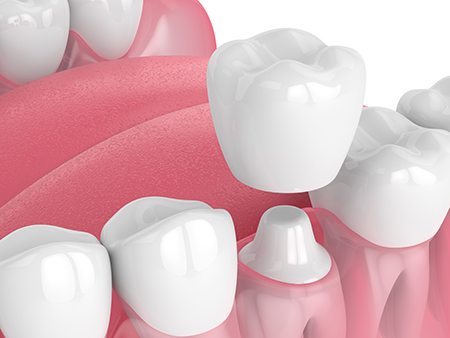
Ceramic Crowns

Having cared for Porterville families for decades, Richard Hardt's Live Oak Dental blends modern techniques with a patient-first approach to restorative dentistry. We focus on treatments that restore chewing comfort, protect long-term tooth health, and produce natural-looking results. Ceramic crowns are one of the most reliable tools in that toolkit—offering strength, biocompatibility, and refined aesthetics when a tooth needs more than a simple filling.

Teeth are remarkably resilient, but when decay, fracture, large restorations, root canal therapy, or years of grinding leave too little healthy structure, a filling is often not enough. A crown rebuilds and protects the remaining tooth, returning it to full function while preventing further breakdown. Modern ceramic materials make those restorations both strong and visually indistinguishable from the teeth around them.

We tailor every plan to the person in the chair, not the tooth on the chart. That means evaluating bite forces, the position of the tooth in your smile, and your cosmetic priorities before selecting the ideal ceramic crown. Our goal is predictable, long-lasting outcomes that let you eat, speak, and smile with confidence.

How to tell when a crown is the appropriate fix

Deciding whether a tooth needs a crown starts with a careful exam and conversation about goals. If decay has removed a large portion of the tooth, if a fracture compromises the structure, or if an existing filling keeps failing, a crown often becomes the best way to restore strength. Crowns distribute biting forces over the tooth more evenly, reducing the risk of further cracks or breakage.

Teeth that have had root canal therapy commonly benefit from full coverage because the procedure can leave the tooth more brittle. A crown acts as a protective cap that restores the tooth’s shape and prevents future fractures. Similarly, teeth that serve as anchors for bridges or support implant restorations typically require crowns to achieve reliable, long-term function.

Beyond damage and structural concerns, crowns also address cosmetic and bite issues. A tooth that is severely discolored, misshapen, or out of proportion can be transformed with a crown designed to match the adjacent teeth. And when bite relationships are uneven, a thoughtfully designed crown can help distribute forces more evenly across the arch.

What ceramic crowns bring to the table

All-ceramic crowns are metal-free restorations crafted from advanced porcelain and zirconia materials. They reproduce the subtle way natural teeth reflect and transmit light, so a well-made ceramic crown blends seamlessly with the rest of your smile. For front teeth and visible areas, that optical match is often the deciding factor when aesthetics matter.

Modern ceramics are engineered for strength as well as beauty. Materials such as lithium disilicate and high-strength zirconia provide fracture resistance that rivals older metal-based crowns while avoiding a visible metal margin at the gumline. For patients with metal allergies or sensitivities, ceramic crowns are a safer, more biocompatible choice.

Ceramic crowns are also kinder to surrounding tissues. They resist staining and maintain their surface luster over time, and when finished and contoured properly, they integrate comfortably with gums. Because they can often be made thinner than crowns with metal substructures, less natural tooth reduction may be required in selected cases.

Selecting the right ceramic for your tooth

Not all ceramic crowns are the same, and choosing the appropriate material is a balance of strength, translucency, and the tooth’s role in your bite. For highly visible front teeth, materials that mimic translucency—like certain types of lithium disilicate—allow for superior cosmetic integration. For molars that endure heavy chewing, denser ceramics such as monolithic zirconia offer exceptional durability.

We consider factors such as how much tooth structure remains, whether the restoration will be on an implant or a natural tooth, and any parafunctional habits like clenching or grinding. Sometimes a layered solution is best: a strong zirconia core for support with a more translucent ceramic layer where appearance is critical. The choice is driven by function first, then aesthetics.

Our team will explain the advantages and trade-offs of each option so you understand why a specific material is recommended for your situation. Whether the priority is a flawless anterior result or a robust posterior restoration, we select the ceramic that delivers predictable performance and a natural appearance.

What to expect during crown treatment

The journey to a finished ceramic crown typically begins with a diagnostic appointment: evaluation, digital imaging, and a discussion of options. If a crown is indicated, the tooth is shaped to create an ideal foundation, impressions or digital scans are taken, and a shade is selected to match adjacent teeth. Advances in digital dentistry allow for highly accurate designs and tighter tolerances between the crown and prepared tooth.

Depending on the chosen workflow, crowns can be fabricated in a dental laboratory or milled in-office using CAD/CAM technology. Same-day systems allow some patients to receive a precision-milled crown during a single appointment, while other cases use a lab-fabricated restoration for layering and refinement. Regardless of the method, careful finishing, polishing, and occlusal adjustments ensure comfort and longevity.

After placement, we check your bite and how the crown contacts neighboring teeth, making small adjustments as necessary. You’ll receive guidance on caring for the restoration—good hygiene, routine exams, and addressing any grinding habit help extend the crown’s service life. With proper maintenance, ceramic crowns can perform well for many years.

Why patients choose our approach to crowns

Our practice emphasizes careful diagnosis, thoughtful material selection, and meticulous technique to deliver durable, natural-looking ceramic crowns. We pair modern technology—digital scanning and precise milling—with an attention to cosmetic detail so restorations look and feel like the teeth they replace. That combination reduces surprises and improves predictability for each patient.

Beyond materials and tools, we prioritize clear explanations and shared decision-making. You’ll understand the reasons behind the recommended restoration and what to expect at every step. Whether a crown is part of a single-tooth repair, an implant restoration, or a broader smile plan, our goal is a result that meets your functional needs and aesthetic priorities.

If you’d like to learn more about ceramic crowns or discuss whether one is right for your smile, please contact us for additional information. Our team is ready to answer your questions and help you explore restorative options that preserve both the form and function of your teeth.

Frequently Asked Questions

What are ceramic crowns and how do they differ from traditional metal-based crowns?

+

All-ceramic crowns are metal-free restorations made from advanced dental ceramics such as porcelain, lithium disilicate and zirconia. They are fabricated to restore a tooth's shape, strength and appearance when a filling is no longer sufficient. Unlike metal-based or porcelain-fused-to-metal crowns, ceramic crowns avoid a visible metal margin and better reproduce the way natural teeth reflect and transmit light.

Ceramic materials vary in translucency and strength, so the right choice depends on the tooth's position and functional demands. Modern ceramics can provide fracture resistance comparable to older metal-containing restorations while offering improved biocompatibility and aesthetics. Your dentist will explain the trade-offs between different crown types so you understand why a particular material is recommended.

When does a tooth typically need a crown instead of a filling?

+

A crown becomes a preferred solution when a tooth has lost too much healthy structure to support a filling, when a fracture compromises integrity, or when an existing restoration repeatedly fails. Crowns cover and reinforce the remaining tooth, distributing bite forces more evenly and reducing the risk of further breakage. Teeth that have undergone root canal therapy often benefit from full coverage because they can become more brittle after treatment.

Other situations that commonly call for crowns include restoring an abutment tooth for a bridge or rebuilding a tooth that will receive an implant restoration. Crowns are also used to correct severe discoloration, misshapen anatomy or bite relationships that affect function and esthetics. A thorough exam and discussion of goals will determine whether a crown is the most appropriate option.

What ceramic materials are available for crowns and how is the right one chosen?

+

Common ceramic options include lithium disilicate, layered porcelain and high-strength zirconia, each offering a different balance of translucency and toughness. Lithium disilicate provides excellent esthetics for front teeth, while monolithic zirconia offers exceptional durability for molars and heavy bite forces. In some cases a layered approach combines a strong zirconia core with a more translucent ceramic layered on top to achieve both strength and natural appearance.

Selection depends on factors such as how much tooth remains, whether the restoration is on a natural tooth or implant, and any parafunctional habits like grinding. The dentist evaluates functional demands first and then matches aesthetic priorities to the material's optical properties. Your treatment plan will outline the recommended ceramic and the reasons behind that choice.

Can ceramic crowns be used for implant restorations and bridges?

+

Yes, ceramic crowns are commonly used on implant abutments and as part of fixed bridgework when a metal-free option is desired. When restoring an implant, the crown attaches to an abutment that interfaces with the implant body; material selection considers the abutment design, esthetic zone and functional load. For multiunit bridges, clinicians often choose materials that balance the need for strength across connector areas with the desire for natural-looking contours.

Implant-supported ceramic crowns must be designed to allow proper hygiene and to distribute forces evenly across the prosthesis. Accurate digital impressions and careful occlusal planning help ensure predictable long-term function. Your dentist will discuss which ceramic approach best suits an implant or bridge in your mouth.

What should I expect during the ceramic crown process and are same-day crowns an option?

+

The ceramic crown process usually begins with a diagnostic visit that includes an exam, digital imaging and a discussion of options. If a crown is indicated, the tooth is prepared, impressions or digital scans are taken, and a shade is selected to match surrounding teeth. Depending on the workflow, crowns can be fabricated in a dental laboratory or milled in-office using CAD/CAM systems.

Same-day crown systems allow some patients to receive a precision-milled restoration during a single appointment, while other cases benefit from lab-fabricated restorations that receive additional layering and characterization. Digital scanning and milling improve fit and reduce remakes, but the choice between same-day and lab workflows depends on the case complexity and aesthetic needs. At Richard Hardt's Live Oak Dental we use digital technologies to present the workflow options suited to each patient's situation.

How do I care for a ceramic crown to help it last as long as possible?

+

Caring for a ceramic crown combines the same habits recommended for natural teeth: gentle daily brushing, flossing around the restoration and routine dental checkups. Proper hygiene prevents decay at the crown margin and helps maintain healthy gums, both of which support the restoration's longevity. It's also important to address habits such as nail biting, chewing ice or using teeth as tools, which can subject crowns to undue stress.

If you clench or grind your teeth, your dentist may recommend a protective nightguard to reduce wear and the risk of fracture. Regular exams allow the dentist to spot early issues like marginal staining or occlusal discrepancies and make small adjustments before they become larger problems. Following professional advice for home care and follow-up visits helps ceramic crowns function well for many years.

Are ceramic crowns safe for patients with metal allergies or sensitivities?

+

Yes, ceramic crowns are metal-free and are often recommended for patients with known metal allergies or sensitivities. Because they lack a metal substructure, ceramic restorations reduce the risk of allergic reactions and eliminate visible metal margins at the gumline. The biocompatible surface of modern ceramics is also gentle on surrounding soft tissues when properly contoured and finished.

For patients with concerns about materials, a detailed medical and dental history allows the team to confirm suitability and select the most appropriate ceramic. If any specific material sensitivity has been documented, your dentist can recommend alternatives and explain the composition of proposed restorations. Transparent discussion of material choices helps align clinical decisions with patient health concerns.

How well can a ceramic crown match my natural tooth color and shape?

+

Ceramic crowns are designed to mimic the optical properties of natural teeth, including translucency, shade and surface texture, so a well-made crown can be difficult to distinguish from adjacent teeth. The shade selection process considers surrounding tooth color, skin tone and the amount of light that passes through the tooth, while the laboratory or milling process handles surface characterization and glazing. For anterior restorations, dentists and ceramists take extra steps to reproduce subtle features like translucency at the edges and internal shading.

Digital photography, shade guides and communication between the dentist and the dental technician or CAD/CAM software all contribute to a precise match. In some cases, small adjustments in staining or polishing are made at delivery to fine-tune the result. The ultimate goal is an appearance that integrates seamlessly with your smile while restoring proper form and function.

Will getting a ceramic crown be painful and what should I expect after placement?

+

Most patients experience minimal discomfort during crown preparation because the procedure is performed under local anesthesia to numb the area. After the anesthetic wears off, some sensitivity to hot, cold or pressure is common for a few days as the supporting tissues adapt, and over-the-counter pain relievers typically control any mild soreness. If a root canal was performed prior to the crown, sensitivity patterns may differ and your dentist will explain what to expect.

Once the crown is placed, there may be a short adjustment period as your bite settles and you become accustomed to the new contour. The dentist will check occlusion and make small adjustments if the crown feels high or interferes with adjacent teeth. If lingering pain, pronounced sensitivity or mobility occurs, contact the dental team so the restoration and underlying tooth can be evaluated promptly.

How do I choose the right practice for ceramic crown treatment?

+

Selecting a dental practice for ceramic crowns involves evaluating experience with restorative dentistry, the technologies used and the level of communication about options and outcomes. Clinics that employ digital scanning, CAD/CAM milling or close collaboration with experienced dental labs can often deliver restorations with improved fit and predictable aesthetics. It is also helpful to confirm that the dentist will discuss material choices, functional planning and maintenance so you understand the reasons behind the recommended approach.

In Porterville and the surrounding area, many patients value a practice that balances modern digital tools with careful diagnosis and clear explanations. At Richard Hardt's Live Oak Dental, the team outlines treatment options and material trade-offs so patients can make informed decisions aligned with their functional needs and cosmetic goals. Asking about workflows, expected timelines and follow-up care will help you choose a provider suited to your expectations.

Ready to Care for Your Smile?

Contact Us
SMS Consent
Submit

Thank You!

We appreciate you taking the time to visit our site. We'll review your message and be in touch with you soon.

Continue